


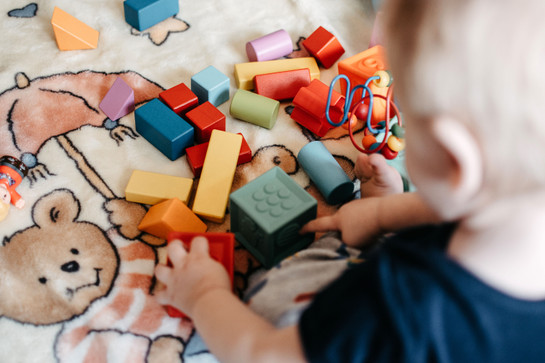
How Simple Swaps Make Playtime a Breeze for Bub and You
If you’ve ever tripped over a rainbow of blocks before your first cuppa, you’re in good company. Parenting a six to twelve -month-old means toys have a way of multiplying when your back’s turned. But what if we told you that less could actually be more. And even more than that, it could bring a little calm into your busy household?
What Is Toy Rotation, really?
Toy rotation isn’t just a fancy hack you see on Instagram. It’s a down to earth, practical way to keep your child’s playtime fresh and your lounge room floor visible. The main idea is instead of having every single toy out and about, you put some away and change things up now and then. It’s like giving your old toys a holiday and your little one has an opportunity to rediscover a something old but new every week or two.
Why Bother Rotating Toys?
-
Less Overwhelm: Too many toys can be confusing for babies and often they will simply empty an entire box onto the floor rather than interact with the contents. A few well-chosen options help them focus and play, encouraging their curiosity, imagination and motor skills.
-
Fresh Interest: When you bring out “new” toys (yes, even that teething ring from Nanna), your bub lights up all over again. It’s quite magical and you didn’t spend a cent.
-
Easier Clean-Up: Fewer toys out will mean less mess to clean up . That’s more time for a sneaky arvo cuppa and a biscuit.
Getting Started: Easy As
To get started you don’t need a spreadsheet or a Pinterest-worthy playroom. Here’s how you can kick off a toy rotation regime:
-
Gather All the Toys: Pop all your child’s toys in one spot so you can see what you have. To avoid your little one “helping”, pick a time when they are down for the night or perhaps out the house on an adventure with extended family.
-
Sort and Observe: Select 5–8 toys your child currently prefers. The rest can go into a box or bag for now which can be stashed in a cupboard or under the bed. This is now your toy library that you can choose from easily.
-
Rotate Regularly: Every week or two, swap out the current toys for a few from your Toy Library. Watch how your child reacts; sometimes old toys become instant favourites again!
Top Tips for Toy Rotation Success
-
Mix It Up: Include different types of toys such as something with texture to grip, something to shake, or something to stack. This keeps bub curious and engaged.
-
If they are uninterested: Children that do not engage in a toy once it’s been rotated a few times are highly likely to have grown out of it and have moved onto the next stage. Consider donating it or if you’re planning more children, give it a clean and store it for the next baby.
-
No Pressure: If you forget a week, or bub’s not keen on having certain toys changed over, that’s okay! Toy rotation isn’t a rulebook, just a tool to make life a bit easier.
FAQs from Aussie Parents
Will my baby get bored?
Not likely! Babies often play deeper with less. You might be surprised how many new ways they find to interact with a set of blocks or soft toy when there’s less going on.
What if family and friends keep giving toys?
Keep a few special ones out and pop the rest in your rotation stash. No need to feel guilty - each toy will get its time to shine.
Real-Life Results: More Calm, Less Clutter
Parents who try toy rotation often say their homes feel tidier and their kids actually play more (and for longer stretches). Plus, when you’re not constantly picking up, you can enjoy downtime sooner or without the rubble underfoot.
Remember, you don’t need fancy storage or new gadgets. Just a couple of boxes or even a suitcase will do the trick. The initial sort may take a dash of patience and the willingness to give it a crack, but it will be worth it. Less clutter can mean a calmer home, and that’s something every parent can get behind.
Related Articles
